A Real Designer's Take on the Cute Lunchbox Clipart Pack
When a new design bundle lands in your library, the first question isn't really about what it contains—it's about where it belongs. As a designer who stitches ideas into real products, my immediate thought is about application. So, opening the Cute Lunchbox Clipart Pack, my mind instantly goes to a custom order: a personalized tote bag for a teacher’s back-to-school gift. That’s the lens I’m using here.
The First Impression: Playful, Clean, and Universally Friendly
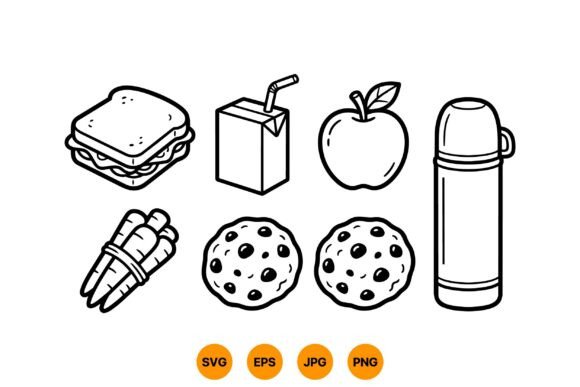
The mood this pack sets is unmistakably warm and approachable. The line art style, with its clean contours depicting sandwiches, juice boxes, apples, and thermoses, feels less like rigid clipart and more like a friendly sketch. The detail level is thoughtful—not overly simplistic, but without tiny intricacies that would vanish under a satin stitch. This visual personality is key. It doesn't scream "children only"; it whispers "nostalgia," "care," and "everyday joy." That makes it incredibly versatile for a craft business.
Where This Design Naturally Thrives in Embroidery
In practical embroidery situations, this theme shines on products where a touch of wholesome charm adds value. Imagine a single carrot or cookie motif embroidered onto the corner of a kitchen towel. A small apple satin stitch design on a baby’s bib. The full set, arranged playfully, becomes a standout feature on a canvas tote bag or a denim patch for a backpack. For apparel decorators, a thermos or sandwich design on a sweatshirt sleeve creates that subtle, personalized detail clients love for casual custom apparel.
For Etsy sellers and handmade shop owners, this pack is a solid asset. It translates beautifully into embroidered patches for craft fair products, providing a consistent, recognizable motif that builds brand identity for a boutique focusing on family-friendly goods. The clean lines also mean it works well in digital product previews and printable mockups, showing potential buyers exactly how the finished embroidery will look—a huge boost for customer trust and engagement.
The Practicalities: Stitching This Pack Into Reality
Now, for the real work. Using an embroidery file like this in machine embroidery requires a practical mindset. The clean line art suggests it would excel as an applique design or with a mix of running stitch outlines and light fill stitch areas. The shapes are forgiving, with rounded corners that won’t challenge most hoop sizes. However, the universal appeal comes with a need for careful application.
Where to Use Careful Judgment
On textured fabrics like thick sweaters, the simpler shapes will hold clarity better than a dense, detailed floral would. On the flip side, stitching onto thin, stretchy fabric for a baby item requires a good stabilizer and attention to stitch density to prevent puckering. Dark fabric backgrounds demand thoughtful thread color contrast—these cheerful motifs need pop. I'd avoid using the most detailed element, perhaps the sandwich with its layered look, on very small hoop sizes or on curved surfaces like caps unless you’ve tested the scaled-down version first. Tiny details can get lost.
For products destined for frequent washing, like kitchen towels or kids' apparel, the robust, unfussy shapes are a benefit. They’re less likely to fray or lose definition over time compared to designs with minuscule lines.
How This Clipart Pack Elevates Your Finished Product
From a business and design perspective, the Cute Lunchbox Clipart Pack affects more than just the stitch. It boosts the perceived value of a handmade product. This theme feels giftable—perfect for embroidered pillow covers as a housewarming present or a personalized holiday gift. It enhances professionalism because the design assets are coherent and stylish, allowing for brand consistency across a line of nursery decor or school-themed merchandise.
The recognition factor is high. These are everyday items rendered with charm, making the finished embroidery instantly understandable and engaging. For a customer browsing an Etsy listing, that clear, friendly appeal can be the deciding factor. It tells a story of care and practicality, which is exactly what many buyers seek in custom embroidery.
Essential Designer Notes Before You Hoop It
Always, always test the design on scrap fabric first. Use a fabric similar to your final project—test on both a light and dark scrap to check contrast. Review the stitch density in your machine embroidery software; adjust if areas seem too dense for delicate fabrics. Confirm your intended hoop size can accommodate the design scale you want, especially if combining multiple elements.
Inspect the small details in the file, like the cookie's sprinkles or the carrot lines, to ensure they'll translate clearly at your chosen size. Create black and white mockups to see the pure shape without color distracting you. And this is crucial: before selling any finished items or using these graphics for commercial embroidery, confirm the licensing terms of the pack. The product description mentions its use for menus, labels, and school projects, but for commercial embroidery projects, you must verify your rights to sell the stitched physical product.
Ultimately, the Cute Lunchbox Clipart Pack feels like a reliable, cheerful toolkit. It’s not a flashy, one-off design; it’s a collection of trustworthy graphics that, with thoughtful embroidery execution, can become the heart of a successful craft business product or a deeply appreciated personalized gift. It reminds you that the best designs often come from the simplest, shared moments—like packing a lunch.