The Pelican Nautical Badge: A Design Review for Makers
First Impression: Coastal Charm with a Classic Twist
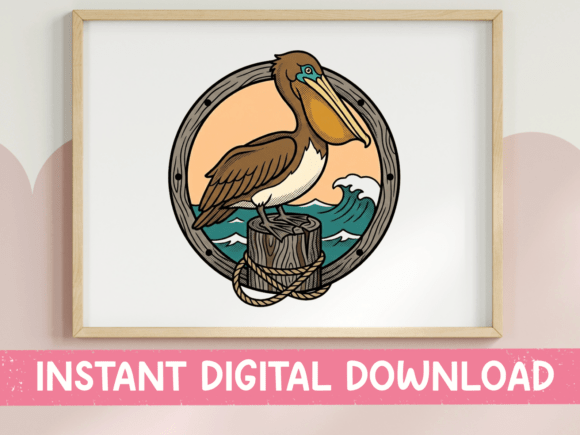
When you first open the Pelican Nautical Badge Ocean Design, the mood it creates is immediate. It’s not just a pelican; it’s a scene. The detailed brown pelican perched on that rope-wrapped dock post, framed by the horseshoe-shaped rope border, evokes a sense of timeless, weathered maritime style. The layout feels balanced and badge-like, giving it a classic, almost emblematic personality. This isn’t a flashy, trendy graphic. It’s a design with heritage, which tells me it would resonate with customers looking for something with a story—something that feels authentic and crafted.
My designer instinct says this embroidery design naturally belongs on items where that classic, personal touch is valued. Think heirloom-quality baby embroidery on a blanket, a statement piece on a canvas tote bag for a beach-town boutique, or a refined accent on a linen apron. The level of detail suggests it’s meant to be appreciated, not just glanced at.
Where This Design Shines in Real Projects
Let’s picture a real scenario. I’m preparing a custom embroidered tote bag for a client who runs a small coastal gift shop. She wants something that embodies the local wildlife and craftsman feel. This pelican badge is a perfect candidate. Stitched onto a natural cotton bag, the browns and tans of the pelican and rope would pop with texture, and the horseshoe border would give it a finished, contained look that reads as high-quality handmade product.
Beyond tote bags, this design’s versatility for custom apparel is strong. On a heavyweight sweatshirt, it becomes a substantial focal point. As a embroidered patch, it could be applied to a cap or backpack, offering that badge-like appeal. For small shop merchandise like tea towels or pillow covers in a nautical-themed home goods line, it adds consistent branding. The design also has excellent giftability for personalized products—think a father’s day gift on a polo shirt or a wedding gift for a couple who loves the ocean. In printable mockups for your Etsy listing or website, it presents as a professional, desirable design asset.
Careful Considerations for Stitching Success
While the design is beautiful, its application requires practical thought. The detail level means you must be mindful of hoop size. A very small hoop might compromise the clarity of the pelican’s features and the rope textures. I always advise testing on scrap fabric first with your intended hoop size to ensure those satin stitch and fill stitch areas render cleanly.
Fabric texture is key. On very thin or stretchy fabric, the stitch density needed for the detailed pelican and border could pose challenges without the right stabilizer. On dark fabric backgrounds, you’ll need to carefully review thread color contrast—the brown pelican on a black sweatshirt may need adjusted thread colors to maintain definition. For curved surfaces like caps, the horseshoe border’s shape should be inspected in a test run to ensure it stitches smoothly without distortion in the detailed corners.
Products that need frequent washing, like baby clothes or kitchen towels, demand a robust embroidery project setup. Check that the design isn’t so densely stitched in one area that it might wear or pucker over time. Always use proper stabilizer and consider a lighter fill stitch density if possible for such items.
How It Elevates Your Craft Business
Using a design like this affects more than just the stitch. It impacts customer trust and perceived value. A well-executed, classic design signals professionalism and care. When a customer sees this pelican on a product, the handmade presentation feels intentional and skilled, not generic. For brand consistency, if your shop focuses on coastal or wildlife themes, this design becomes a recognizable part of your visual language.
For commercial embroidery or selling finished items, the design’s inherent visual appeal boosts buyer engagement. It tells a story people want to own or gift. That’s a tangible business advantage. However, a crucial note: always confirm licensing before selling finished items or digital products. You must know if this embroidery file is cleared for commercial embroidery projects or if it’s for personal use only. This step is non-negotiable for professional craft business operation.
Practical Designer Notes Before You Hoop
- Run a test on your actual project fabric scrap. This reveals how the stitch density interacts with the material.
- Check thread color contrast not just on screen, but in a stitched sample. Consider testing it in black and white mockups to judge form alone.
- Inspect the small details—the pelican’s beak, the rope twists. Are they defined enough for your target finished product size?
- Compare how it looks on light and dark fabric backgrounds in your software preview. Plan your thread palette accordingly.
- Ask yourself: Is the design suitable for both a delicate baby embroidery item and a rugged tote bag design? Your application changes the requirements.
- Finally, ensure your machine settings, stabilizer choice, and hoop are aligned to honor the design’s classic detail. A great digital embroidery file needs a great stitch-out to truly shine.
A Design Built for Storytelling
The Pelican Nautical Badge Ocean Design is more than a graphic; it’s a narrative element for your work. Its success lies in pairing its inherent coastal charm with your practical embroidery expertise. When stitched thoughtfully onto the right product—be it a holiday gift, boutique product, or personal keepsake—it delivers that authentic, crafted feel customers seek. Approach it with a tester’s mindset, respect its details, and it will become a reliable, beautiful asset in your portfolio of embroidery projects.